How to Find Your Best Colors for Senior Photos
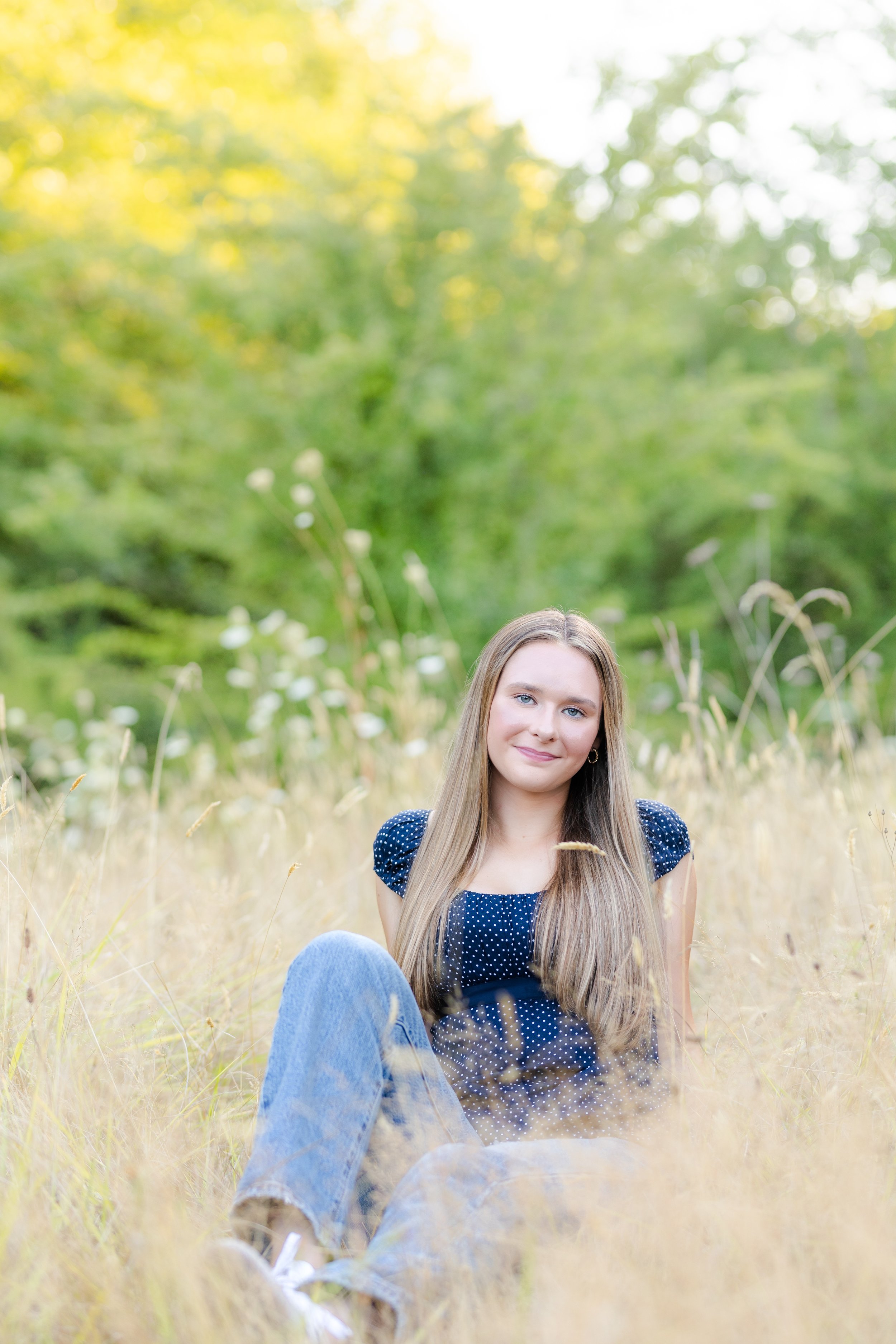
The easiest way to instantly look better in your senior photos is to wear colors that actually flatter your skin tone, since the right colors brighten your complexion while the wrong ones can wash you out or make you look tired.
This is one of those small details that makes a bigger difference than people expect. You can have the perfect outfit, the perfect location, and great lighting, but if the color you're wearing fights against your skin tone, it shows. The good news is that figuring out your best colors isn't complicated, and you don't need to be a fashion expert to do it.
Why Color Matters More Than People Think
Color affects how your skin looks in photos more than almost any other styling choice. The right shade can make your skin look even, bright, and healthy. The wrong shade can pull out redness, make you look pale, or create shadows under your eyes that aren't actually there in person.
This isn't about which colors you "like." Plenty of people wear a color they love that just doesn't love them back in photos. It's about which colors work with your specific skin tone, eye color, and hair color, and that's different for everyone.
Option 1: Get a Professional Color Analysis
The most precise way to find your best colors is to get a professional color analysis done. A stylist or color consultant will look at your skin's undertone, your eye color, and your natural hair color, and use that to determine which color family works best for you. This usually falls into a seasonal category, like warm autumn, cool summer, or one of several other variations, along with a specific palette of shades within that category.
This option takes the guesswork out completely. You walk away with a clear answer and often a physical palette or color fan you can reference when shopping. If you want the most accurate result and don't mind the cost, this is the way to go.
Option 2: Figure It Out Yourself
If a professional analysis isn't in the budget or timeline, you can absolutely figure out a lot of this on your own with a little research. The seasonal color analysis system, the same one professionals use, has a ton of free resources online that walk you through identifying your undertone and matching it to a season and palette.
A simple starting point: look at the veins on your wrist in natural light. If they look more blue or purple, you likely have a cool undertone. If they look more green, you likely have a warm undertone. From there, you can search "cool undertone color palette" or "warm undertone color palette" to start narrowing down shades that tend to work well for you.
This method won't be as precise as a professional analysis, but it's a genuinely useful starting point, especially if you just want a general direction rather than an exact palette.
TikTok is a great place to deep dive what your color season is. There are tons of great videos with examples and tips to find your own colors!
Option 3: Use AI to Analyze Your Colors
If you have a few minutes and your phone, you can get a surprisingly accurate color analysis using an AI chatbot like Claude or ChatGPT.
Step 1: Take one clear photo. Find soft, even lighting, ideally outdoors on an overcast day or near a bright window, and avoid direct sunlight, which creates harsh shadows. Use your phone's rear camera, not the front-facing one, since front cameras often apply automatic filters that shift your colors. Take a close-up photo of your face with no makeup if possible, since makeup can mask your natural undertone.
Step 2: Pull hex codes from three spots. Using your phone's built-in color picker (iPhone Markup tool, or a free app like ColorSlurp for either iPhone or Android), zoom into your photo and sample the color at three points:
A spot on your cheek or forehead (your skin)
A strand of your natural hair color, ideally close to the root if your hair is dyed
Your iris (eye color)
Each spot will give you a hex code, a six-character code like #E8C4A0. You'll end up with three codes total.
Step 3: Ask the AI. Share your three hex codes with an AI chatbot, labeled clearly (for example: "Skin: #E8C4A0, Hair: #4A2E1E, Eyes: #6B8E5A"), and ask it to analyze your color season and recommend a flattering color palette based on those tones. Most AI chatbots can give you a confident estimate of whether you lean warm or cool, along with a suggested seasonal category and specific shades to look for when picking your outfit.
This method won't be quite as precise as an in-person color analysis with a trained stylist, since it can't account for lighting nuances or undertone subtleties a human eye might catch, but it's a fast, free way to get a solid starting point before your session.
Videos on how to do this are floating around TikTok and YouTube, so if you’re having trouble, check those out!
What If You're Not Sure Which Category You're In?
Don't overthink this. A lot of people sit somewhere in between warm and cool, which is sometimes called a "neutral" undertone. If that's you, you have more flexibility, and you can lean slightly warm or slightly cool depending on the specific shade.
If you're still unsure, a simple trick is to hold a few different colored tops up near your face in natural light, ideally near a window, and see which ones make your skin look brighter versus which ones make you look a little tired or flat. Your eyes will usually pick up on the difference even if you can't explain why. If you’re having trouble with this, ask a family member or a friend who knows you well. Sometimes you just need someone else’s perspective!
A Few Easy Wins Regardless of Your Undertone
If you don't want to go deep into color theory before your session, here are a few safe bets that tend to work well for most people in outdoor, natural-light photos:
Muted, earthy tones tend to photograph well against Kitsap's natural backdrops, think soft greens, warm neutrals, and dusty blues
Avoid pure white or very bright neon colors, which can either wash you out or pull focus away from your face if they aren’t your colors
If you're unsure, a mid-tone color is almost always safer than something very light or very dark
Knowing your best colors is a simple way to feel more confident walking into your session, and it pairs well with picking an outfit you're already comfortable in :)